
Welcome to Sri Lanka’s vibrant commercial capital. Most travelers touch down at Bandaranaike International Airport and immediately head toward the southern beaches or central highlands. However, a twenty-four-hour layover in Colombo is the perfect opportunity to experience a unique blend of colonial heritage, chaotic markets, and serene religious sites.
The city’s compact nature allows you to comfortably explore the major highlights in a single day. Whether you are interested in architecture, street food, or spiritual landmarks, this coastal metropolis has something to offer. Follow this comprehensive itinerary to make the most of your brief but exciting stay in Colombo.
Begin your day early to beat the tropical heat and the heavy city traffic. A morning in Colombo is best spent exploring the energetic northern districts where historical architecture and modern commerce collide in spectacular fashion.
Dive straight into the sensory overload of Pettah Market. This sprawling labyrinth of narrow streets is categorized by trade, with entire blocks dedicated to textiles, spices, electronics, and fresh produce. The air is thick with the scent of cinnamon, cardamom, and freshly roasted coffee.
Porters push heavy wooden carts through the thick crowds, creating a vibrant, chaotic atmosphere that is entirely unique to this district. Amidst the dizzying energy of the market, you will find the striking Jami Ul-Alfar Mosque. Often referred to as the Red Mosque, this architectural marvel features breathtaking candy-striped red and white brickwork.
Its towering minarets and intricate domes stand in sharp contrast to the surrounding corrugated iron roofs of the bustling bazaar. It is a stunning photographic backdrop and a peaceful sanctuary away from the intense street-level hustle. Visitors are generally welcome outside of prayer times, provided they adhere to modest dress codes.
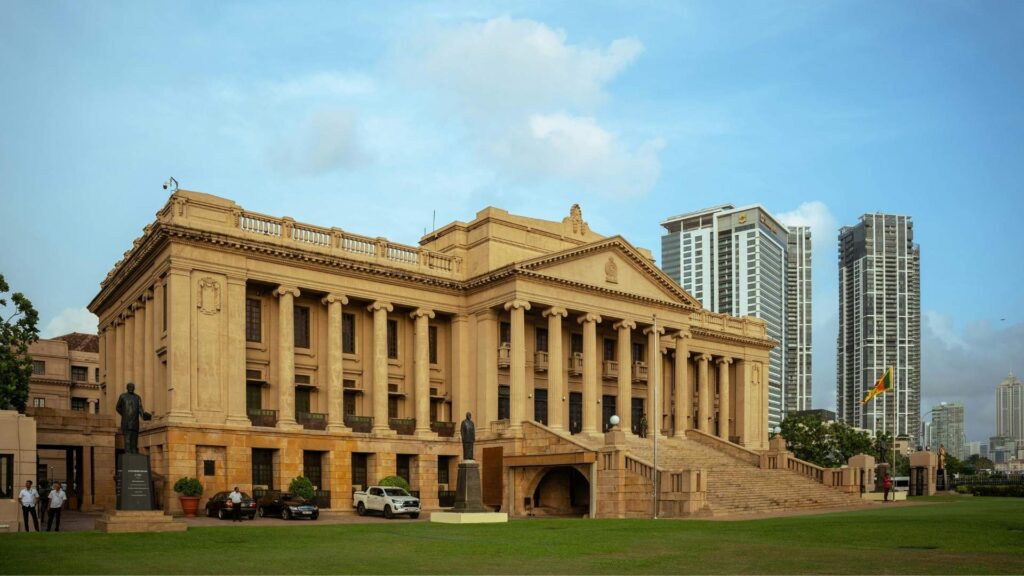
A short walk from the market brings you to the historic Colombo Fort district. Originally a fortified base for Portuguese and Dutch colonizers, the area later transformed into the administrative heart of British Ceylon. Today, grand colonial-era buildings with imposing columns line the wide, tree-shaded avenues.
Keep an eye out for the Old Colombo Clock Tower, a prominent Victorian-era structure that originally functioned as a lighthouse guiding ships into the harbor. Nearby, you can stroll past the former General Post Office and various old banking headquarters that feature ornate stonework. The grand architecture offers a fascinating glimpse into the island’s colonial past and its strategic importance as a trading port.
Conclude your morning exploration at the thoughtfully restored Dutch Hospital Shopping Precinct. Dating back to the early seventeenth century, this is one of the oldest surviving buildings in the Fort area. Its thick walls, high ceilings, and massive teak beams were originally designed to house ailing sailors and soldiers.
Today, the open courtyards have been repurposed to host boutique shops, cafes, and renowned restaurants. It is an excellent spot to grab a refreshing king coconut or sit down for an early lunch to escape the midday heat. You can enjoy authentic Sri Lankan rice and curry in a beautifully preserved historical setting before continuing your journey.
As the midday sun peaks, shift your focus to the greener, more relaxed southern neighborhoods of the city. The afternoon is ideal for uncovering Sri Lanka’s rich Buddhist heritage and exploring air-conditioned museum collections.
No visit to Colombo is complete without stopping at the iconic Gangaramaya Temple. This sprawling complex is arguably the city’s most important Buddhist shrine and serves as a major center of learning. The architecture is a fascinating hybrid of Sri Lankan, Thai, Indian, and Chinese design elements, reflecting the diverse influences on the island’s religious history.
Inside, the temple doubles as an eclectic museum filled with an astonishing array of artifacts donated by devotees over the decades. You will find towering golden Buddha statues alongside vintage cars, antique printing presses, and elaborate gifts from international dignitaries. The sheer volume of relics makes it a truly unique spiritual and cultural destination.
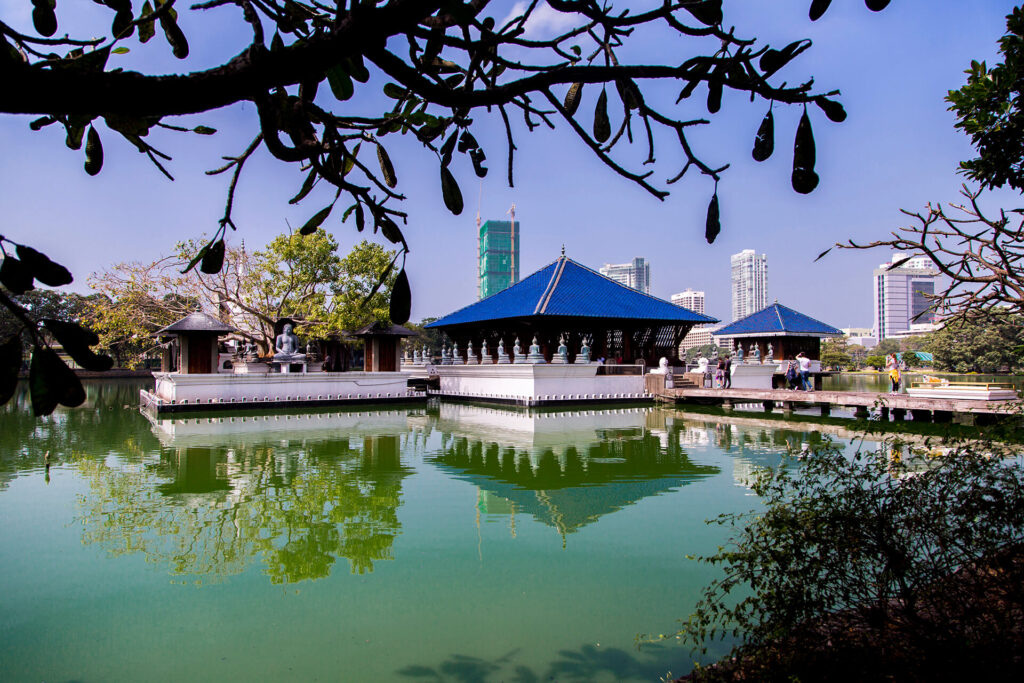
Just a short distance from the main temple lies the tranquil Seema Malaka. Designed by the celebrated Sri Lankan architect Geoffrey Bawa, this beautiful meditation center rests on wooden platforms built directly over the green waters of Beira Lake. Connected to the shore by floating pontoon bridges, the shrine offers a serene escape from the urban noise.
The cooling breeze off the lake and the sight of pelicans gliding across the water provide a perfect moment of reflection. The juxtaposition of the traditional wooden architecture against the modern Colombo skyline is visually striking. It remains one of the most serene and photogenic spots in the entire city.
For history enthusiasts, the National Museum of Colombo is an absolute must-visit. Housed in a pristine white Italianate mansion built in the late nineteenth century, the museum holds the island’s most extensive collection of historical artifacts. The surrounding lawns are shaded by massive banyan trees, providing a stately and welcoming entrance.
Inside, you can admire the magnificent golden throne and crown jewels of the ancient Kandyan monarchs. The expansive galleries are filled with ancient stone carvings, intricately painted demon masks, and colonial-era weaponry. Dedicate at least an hour to wander through the well-curated exhibits that chronicle thousands of years of civilization.
Directly across from the museum is Viharamahadevi Park, Colombo’s largest public green space. Originally named Victoria Park during the British era, it is a beautifully landscaped area featuring exotic tropical flora and paved walking paths. The park is anchored by a large, gleaming golden Buddha statue facing the municipal buildings.
Take a leisurely stroll under the canopy of flowering trees or relax on the shaded benches scattered throughout the grounds. If you are traveling with family, the park offers well-maintained playgrounds and a small picturesque suspension bridge. It is a wonderful place to rest and recharge before heading into the vibrant evening hours.
Colombo truly comes alive in the late afternoon as the temperature drops and the sea breeze picks up. The western coastline offers spectacular Indian Ocean sunsets that perfectly cap off a day of exploration.
As dusk approaches, make your way to Galle Face Green. This expansive oceanfront promenade is the undisputed heart of Colombo’s social life. Every evening, local families, young couples, and tourists gather here to fly colorful kites, blow bubbles, and enjoy the cooling sea breeze.
The sunset views over the Indian Ocean are simply spectacular from this vantage point. The sky transforms into brilliant shades of orange, pink, and purple, reflecting off the rolling waves as ships wait in the harbor. Walking along the grassy lawn as the sun dips below the horizon is a quintessential Colombo experience that should not be missed.
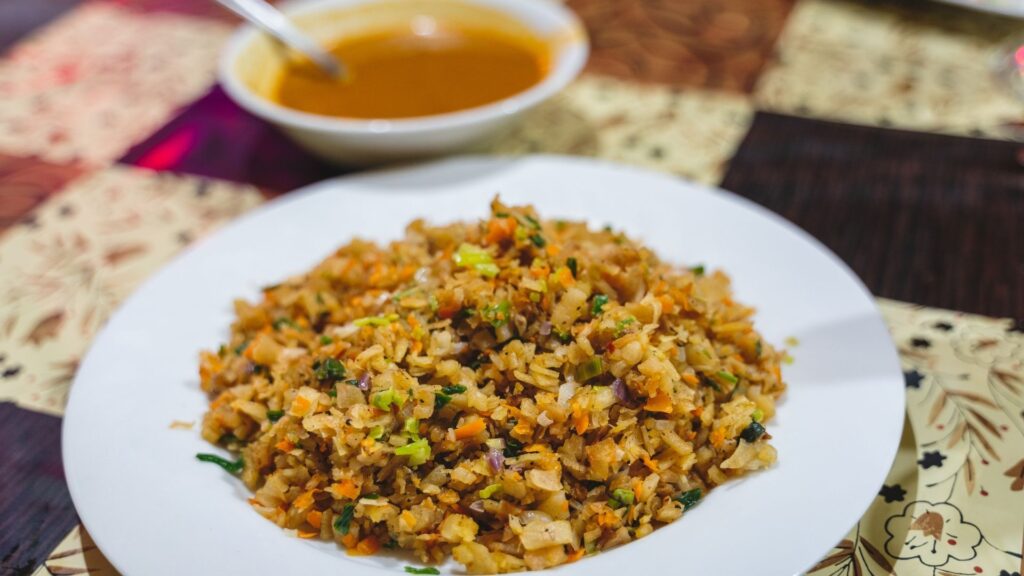
The promenade is lined with dozens of small street food carts preparing local delicacies right before your eyes. Be sure to try traditional “isso wade,” which are spicy, deep-fried lentil patties topped with crispy whole prawns. You will also find enthusiastic vendors tossing piping hot kottu roti on flat iron griddles, creating a rhythmic, musical beat that echoes across the green.
For a more formal dinner, Colombo boasts an impressive and rapidly growing culinary scene. You can easily find high-end restaurants serving incredible lagoon crabs baked in rich spices, or upscale twists on traditional hoppers. The city’s diverse dining options cater to every palate, ensuring your final meal in Sri Lanka is unforgettable.
End your layover with a visit to the iconic Lotus Tower. Dominating the city skyline, this towering architectural marvel is shaped like a giant blooming lotus flower. The stem and petals are illuminated with vibrant LED light displays that shift through a rainbow of colors throughout the night.
Take the high-speed elevator to the observation deck for panoramic, 360-degree views of the illuminated city below. Seeing the sprawling metropolis glowing against the dark expanse of the ocean perfectly encapsulates the rapid modernization of this historic port city. It is the ultimate vantage point to reflect on your whirlwind tour before heading to the airport.
Maximizing a short layover requires careful planning and an understanding of local logistics. Keep these practical considerations in mind to ensure a smooth, efficient, and stress-free transit experience.
The Bandaranaike International Airport is located roughly forty minutes north of the city center via the Katunayake Expressway. Always factor in this transit time when planning your departure, as regular city traffic outside the expressway can be unpredictable and heavily congested.
For short distances within the city, auto-rickshaws, commonly known as tuk-tuks, are the most efficient and thrilling mode of transport. Always request that the driver use the meter before getting in, or utilize popular ride-hailing applications to guarantee a transparent and fair rate.
Sri Lanka is a deeply religious and conservative country with specific customs regarding attire. While casual summer wear is perfectly acceptable in parks, promenades, and shopping areas, strict dress codes apply at all religious sites.
Since you only have a day to explore, leave your heavy luggage secured and pack a small daybag with essential items to keep you comfortable.
With limited time, strategic planning is the key to seeing as much as possible without feeling rushed.