
Deep in the southeastern corner of Sri Lanka lies a landscape where the dense jungle spills directly onto the golden shores of the Indian Ocean. Originally known as Ruhuna National Park, Yala National Park is the country’s most celebrated wildlife reserve. It is a place where ancient monolithic rocks rise above scrub forests and saline lagoons. Here, nature remains entirely untamed, yet how you experience it can be incredibly refined.
Glamping in this region takes the traditional safari experience and elevates it to extraordinary heights. You are not simply pitching a tent in the dirt and hoping for the best. Instead, you are immersing yourself in the raw sights and sounds of the jungle without sacrificing a single modern comfort. It is the perfect marriage of rugged exploration and high-end relaxation.
Choosing to glamp near Yala National Park means waking up to the calls of the Malabar pied hornbill and falling asleep to the distant roar of the ocean. The buffer zone surrounding the park is dotted with these luxurious outposts, carefully designed to blend into the natural environment. These setups offer a low-impact, sustainable way to experience the wilderness. You get the thrill of the wild with the peace of mind that your footprint is minimal.
Forget everything you know about standard camping. The luxury tents around Yala National Park are architectural marvels, often resembling canvas palaces or futuristic domes. They are elevated on wooden platforms to protect the local flora and keep uninvited slithering guests at bay. Inside, you will find sprawling king-sized beds draped in premium linens and climate-control systems to beat the tropical heat.
The amenities rival those of any five-star city establishment. Ensuite bathrooms are standard, complete with hot running water, flush toilets, and often spectacular rainfall showers. Some of the most exclusive tents even feature freestanding copper bathtubs or private plunge pools on a secluded deck. It is a surreal experience to soak in a pool while watching wild peacocks strut through your backyard.
Dining is another cornerstone of the Yala glamping experience. These camps prioritize hyper-local, gourmet culinary journeys served in breathtaking settings. You might enjoy authentic Sri Lankan hoppers for breakfast deep in the bush, or a multi-course dinner illuminated by lanterns under a canopy of stars. Service is highly personalized, with dedicated staff ensuring your every need is met before you even have to ask.
Yala National Park is massive, covering nearly a thousand square kilometers of varying terrain. To manage conservation and tourism, the park is divided into five distinct blocks, though not all are open to the public. Understanding these divisions is crucial for planning your daily game drives. Your choice of entrance will heavily influence the type of safari experience you have.
Block 1 is the most famous and most frequently visited section of the park. It is primarily accessed through the Palatupana and Katagamuwa gates. This area boasts one of the highest densities of the Sri Lankan leopard in the world. The landscape here is stunning, featuring rocky outcrops, waterholes, and dense scrub that provide perfect camouflage for apex predators.
Because of its reputation, Block 1 can get quite busy, especially during peak seasons and public holidays. To beat the crowds, your safari tracker will often navigate the lesser-known side tracks. Early morning entries through the Palatupana gate offer the best lighting for photography and the highest chance of spotting a leopard patrolling its territory.
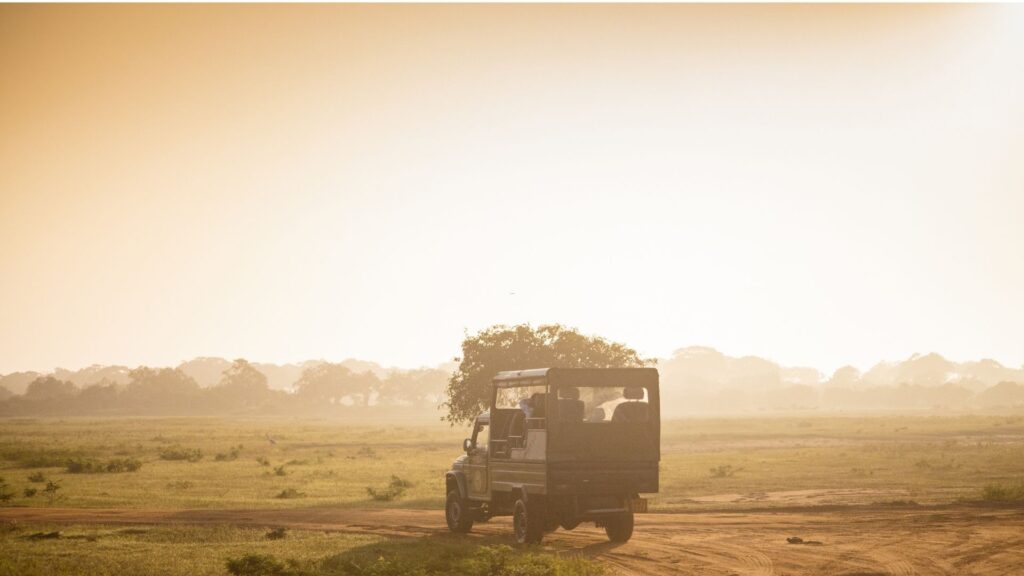
If you prefer a more secluded safari, Block 5 is an excellent alternative to the bustling main sectors. Accessed via the Galge entrance, this block offers a distinctly different, quieter atmosphere. The terrain is a bit more rugged, and the vegetation patterns change, offering a fresh perspective on the park’s ecosystem.
While leopard sightings might require a bit more patience here, the exclusivity is well worth the effort. Block 5 is fantastic for spotting large herds of Asian elephants and offers excellent birdwatching opportunities. It provides a true sense of wilderness exploration, far removed from the convoy of jeeps sometimes found near the Palatupana gate.
While the Sri Lankan leopard is the undeniable star of Yala National Park, the ecosystem supports a staggering array of biodiversity. The thrill of the safari lies in the unpredictability of what might cross your path. Expert naturalists attached to luxury camps are vital for deciphering the jungle’s hidden clues. They can spot a flick of a tail or interpret a monkey’s alarm call with incredible accuracy.
The sloth bear is another highly sought-after sighting within the park’s boundaries. These shaggy, elusive creatures are notoriously difficult to spot for most of the year. However, if you visit between May and July, your chances increase dramatically. During this period, the Palu trees drop their sweet, fleshy fruit, drawing the sloth bears out of hiding for a feast.
Beyond the apex mammals, Yala National Park is a haven for reptiles and avian life. You will frequently encounter massive mugger crocodiles basking on the muddy banks of the park’s many lagoons. Look up into the canopy, and you might spot the vibrant plumage of the painted stork, the crested serpent eagle, or the endemic Sri Lanka junglefowl. Every game drive offers a completely unique cast of characters.
Life at a luxury safari camp is dictated by the rhythms of nature and the activity patterns of the wildlife. To maximize your chances of seeing animals in action, you have to operate on their schedule. This means embracing early mornings and utilizing the cooler parts of the day. The pacing is designed to balance thrilling exploration with profound relaxation.
Your day will typically begin well before sunrise, often with a gentle wake-up call and a steaming cup of Ceylon tea at 5:00 AM. By 5:30 AM, you will be in a customized 4×4 safari jeep, racing toward the Palatupana or Katagamuwa gates. The goal is to be among the first vehicles inside when the park opens at 6:00 AM. This is when predators are most active, wrapping up their nocturnal hunts before the heat sets in.
As the sun climbs higher and the temperature spikes, the jungle grows quiet and animals retreat into the deep shade. By mid-morning, your jeep will head back to the glamping site. The middle of the day is entirely yours to enjoy the luxurious amenities of your tent. You can take a dip in your plunge pool, read a book on your private deck, or simply catch up on sleep.
Around 3:00 PM, after a lavish high tea, you will head back into the park for the afternoon game drive. The golden hour casts a magical, warm light over the Yala landscape, creating perfect conditions for wildlife photography. As shadows lengthen, leopards begin to stir again, and elephants make their way to the waterholes. You will return to camp just as the stars begin to emerge, ready for sundowner drinks around a roaring bonfire.
Planning a seamless glamping trip requires careful attention to logistics and geography. Yala National Park is located deep in the south, meaning it takes some time to reach from the main international airport. Whether you hire a private driver or take a scenic domestic flight, the journey is part of the adventure. Setting the right expectations for travel and pacing will ensure a stress-free holiday.
If you are driving down from the capital, Colombo, expect a journey of about four to five hours via the Southern Expressway. If you are incorporating Yala into a larger coastal itinerary, the drive from the historic city of Galle takes roughly three hours. To truly appreciate the glamping experience without feeling rushed, a minimum stay of two nights is highly recommended. Three nights allow for a more relaxed pace and a higher probability of rare wildlife sightings.
The dry season, running from February to June, is widely considered the best time for wildlife viewing in Yala National Park. As the smaller water sources dry up, animals are forced to congregate around the larger, permanent lagoons. This predictability makes them much easier to locate. Keep in mind that the Department of Wildlife Conservation often closes Block 1 for a few weeks in September or October to allow the ecosystem to rest and recover.
Despite the luxurious setting of your camp, the safari itself is a dusty, bumpy, and hot affair. Dress for function over fashion when heading into the park. Lightweight, breathable cotton or linen clothing is essential for surviving the tropical humidity. Stick to muted earth tones like khaki, olive green, or brown to blend into the environment and avoid startling the animals.
Packing for a luxury safari requires a balance between rugged outdoor gear and relaxed evening wear. Your camp will provide the high-end toiletries and comforts, but you need to bring the right personal items. Keep your luggage practical, as space in safari jeeps and tented suites can sometimes be a consideration. Here is what you must include in your bag:
A glamping trip to Yala National Park is an immense privilege, offering a front-row seat to one of Asia’s most spectacular ecosystems. The luxury camps that operate in this region play a vital role in local conservation efforts. By choosing accommodations that respect the buffer zone and employ local naturalists, you are directly contributing to the protection of this habitat. Enjoy the five-star service, but remember that the true luxury is witnessing the wild beauty of Sri Lanka exactly as nature intended.